
Pop Mart Case Study: Labubu Mania and Global Brand Strategy
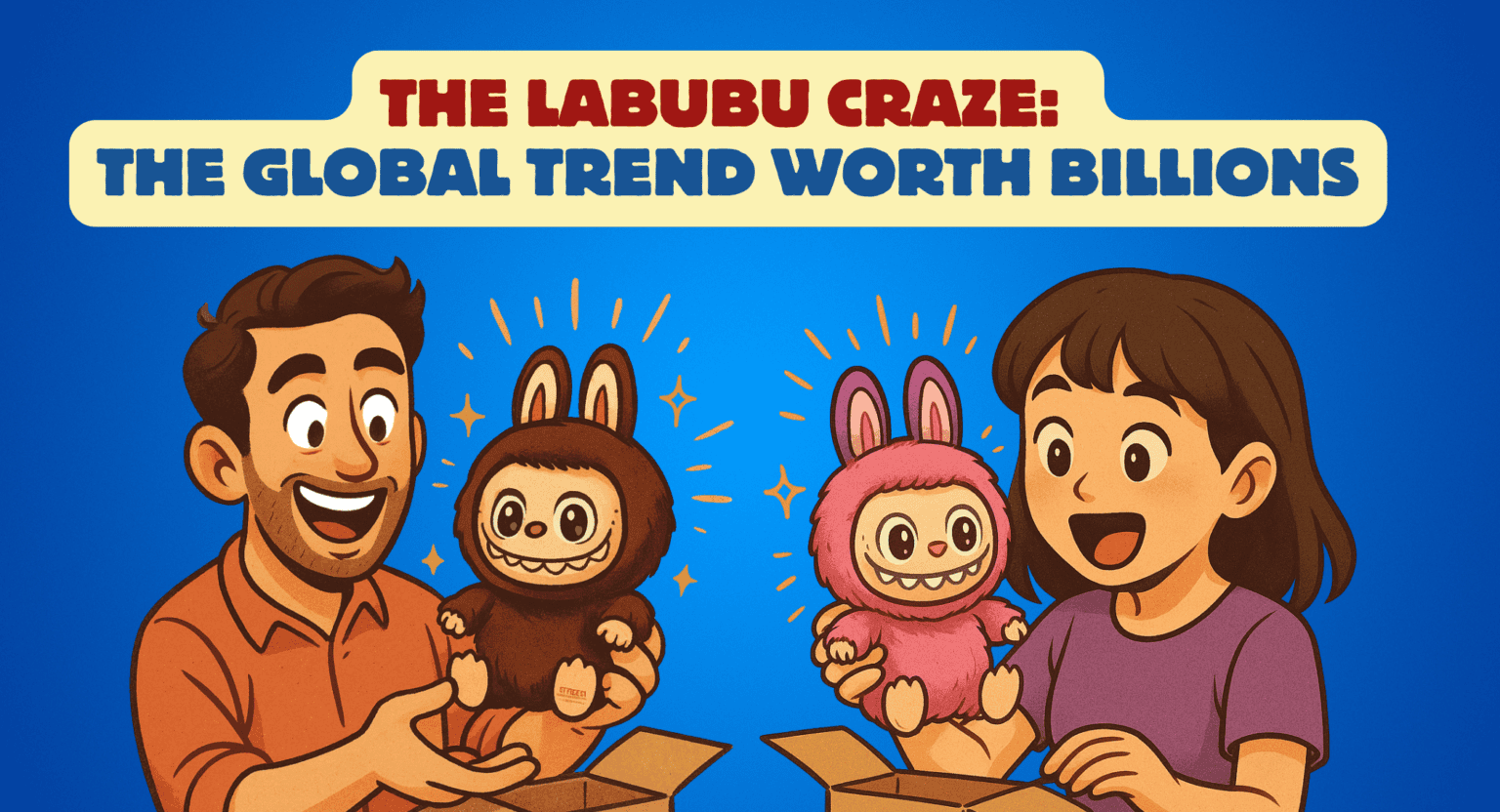
Forbes recently highlighted an astonishing milestone: Pop Mart’s founder Wang Ning has joined China’s top ten billionaires, thanks to the runaway success of a quirky toy named Labubu. What began as a small collectible figurine has exploded into a “Labubu mania” – a global trend that is more than just savvy marketing. This phenomenon offers rich insights for trend-watchers, PR professionals, and business leaders alike, blending pop culture, emotional branding, and clever business strategy into a perfect storm of success.
Labubu, the cute-but-kinda-scary doll from Pop Mart, has become a social media sensation and collector’s dream, thanks to its quirky design and the thrill of “blind box” surprises. Limited-edition Labubu figures fetch sky-high prices, and fans worldwide have been known to line up overnight for new releases – all reflecting a craze that turned a simple toy into a global cultural phenomenon.
From Quirky Collectible to Global Sensation
Labubu is not just a toy, it’s a trend. This wide-eyed, toothy-grinned character was originally created in 2015 by artist Kasing Lung as part of a picture book series inspired by Nordic folklore. In 2019, Pop Mart partnered with Lung to transform Labubu from a niche storybook creature into a mass-market collectible, launching it as a figurine sold in “blind boxes”. The element of surprise – not knowing which variant you got until unboxing – proved irresistible to Gen Z and millennial fans and built instant buzz.
Once Labubu hit the shelves, it went viral. The odd but lovable doll (often described as “ugly-cute”) started featuring everywhere from TikTok unboxing videos to celebrity Instagram feeds. Global superstars like BLACKPINK’s Lisa, Rihanna, and Dua Lipa proudly showed off their Labubu collectibles, turning the toy into a pop culture icon. Some rare editions of Labubu became so coveted that they command astronomical prices, with secret “chase” figures reselling for thousands of dollars online.
Pop Mart’s Meteoric Rise (Powered by Labubu)
Founded in 2010 by the then 23-year-old Wang Ning, Pop Mart began as a tiny boutique in Beijing selling comics and phone accessories. Spotting the burgeoning passion for designer art toys, Wang quickly pivoted the business toward collectibles. Pop Mart’s first breakout hit was a doll named “Molly,” but it was Labubu that truly changed the game for the company. In December 2020, Pop Mart went public on the Hong Kong Stock Exchange, using the influx of capital to fuel expansion.
The timing could not have been better: in the following years, the collectible toy market boomed, and Pop Mart’s shares surged more than 500% in the past year alone as the Labubu craze took hold. By mid-2025, Pop Mart’s stock price had tripled just in that year, vaulting above HK$270 per share.
Today, Pop Mart operates around 200 retail stores and over 2,500 vending-machine-style “Robo Shop” kiosks worldwide to meet feverish demand. Once a niche China-based upstart, the company has expanded across Asia, Europe, and North America, with flagship stores in cities like Los Angeles, London, and Tokyo. Its products are also available globally through online channels, and by 2024 nearly 40% of Pop Mart’s revenue came from outside mainland China. In the first quarter of 2025 alone, overseas sales surged by 475% year-on-year, making Pop Mart one of China’s most successful cultural exports.
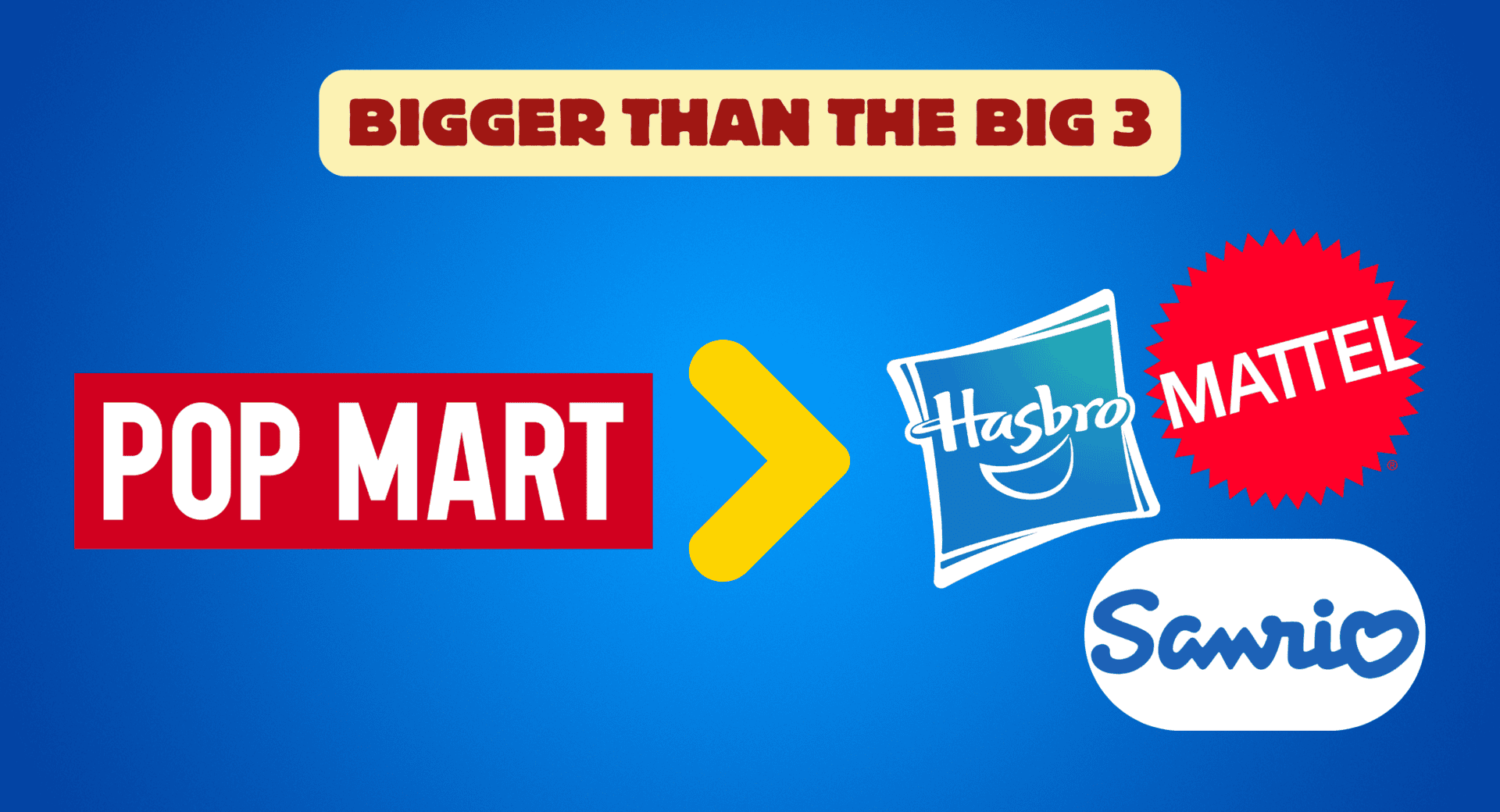
Pop Mart’s market capitalization recently hit US$40 billion – eclipsing American toy giants like Hasbro and Mattel – as annual sales climbed to roughly $1.8 billion. Labubu alone contributed almost 23% of the company’s revenue in 2024, after sales for that line skyrocketed over 700% in one year.
Pop Mart isn’t viewed as just a toy retailer anymore – it’s often compared to fashion and luxury brands because of the almost cult-like loyalty of its fanbase. Shoppers don’t merely buy figurines; they attend Pop Mart store openings like events, trade collectibles like rare sneakers, and treat limited-edition releases like haute couture drops. The company has brilliantly blurred the line between toy culture and lifestyle brand.
Beyond Marketing: Why Labubu Mania Runs Deeper
So, what’s the secret sauce behind Labubu mania? How did one little figurine trigger such devotion and not fade like a passing fad? The answer lies in a savvy combination of psychology, culture, and community – a mix that goes far beyond traditional marketing.
1. Emotional Storytelling & Design
Labubu’s appeal is rooted in its character. With oversized innocent eyes, bunny-like ears and a mischievous grin, Labubu hits a sweet spot between cute and edgy that resonates with young consumers seeking a bit of personality. Pop Mart gave Labubu a backstory that adds depth and nostalgia to the toy. This narrative and design create an emotional connection. Consumers feel they’re adopting a character, not just buying a figurine.
2. The Blind Box Effect
A huge part of Labubu’s allure is the “blind box” model itself. Pop Mart sells Labubu figurines in unmarked boxes so buyers never know which variant they’ll get until they open it. This injects gamification and suspense into every purchase. On top of that, Pop Mart strategically produces scarce “secret” editions of Labubu. By harnessing this fear of missing out, the company turns casual buyers into repeat purchasers chasing that rare figure to complete their collection.
3. Organic Celebrity & Influencer Boost
Labubu’s popularity snowballed largely through organic influencer enthusiasm. Big-name celebrities essentially became brand ambassadors without being asked. When pop icons like Lisa or Rihanna casually displayed their Labubus on social media, it translated into priceless exposure. Simultaneously, everyday collectors flooded TikTok, Instagram, and Xiaohongshu with unboxing videos, trading tips, and even fashion shoots including Labubu.
4. Community, Fandom & Lifestyle
Pop Mart has fostered a sense that collecting Labubus is participating in a movement. There are online forums and local events where fans swap figures and show off displays. The most devoted collectors treat Labubu like a lifestyle – akin to how sneakerheads revere Jordans or how Disney fans collect pins. Pop Mart has leaned into this, positioning itself like a fashion/luxury house with limited drops and collabs.
5. Cross-Cultural Appeal
Labubu mania transcended geographic and cultural barriers. The character’s “ugly-cute” design and the nostalgic packaging hit emotional triggers that resonate across borders. By 2024, nearly half of Pop Mart’s sales came from international markets. Pop Mart essentially exported a new form of emotional consumerism – selling not just a toy, but a fun, comforting experience that people everywhere can relate to.
The Labubu Case Study: Takeaways for PR Professionals and Business Leaders
For marketers and business strategists observing from the sidelines, the rise of Labubu offers valuable lessons that go far beyond the toy industry. Pop Mart’s success wasn’t just about selling a product—it was about building a brand that people feel something about. When contrasted with other brand identity case studies, it becomes clear how emotional resonance can either elevate a brand—or quickly erode trust when misjudged. Here’s what you can learn:
1. Build an Emotional Connection
Storytelling and design matter. Pop Mart gave Labubu a personality and narrative that consumers could latch onto, turning products into beloved characters rather than transactional purchases.
2. Make the Experience Fun
The blind-box model gamified the shopping experience. Each purchase came with the thrill of surprise, making it feel less like buying a product and more like playing a game.
3. Leverage Scarcity (Carefully)
Limited-edition “chase” figures created explosive demand. But Pop Mart was careful to balance this with regular editions so casual fans weren’t priced out.
4. Empower Your Fan Community
Labubu’s virality came from fans, not ads. Social media was filled with unboxing videos, collector tips, and fashion shots featuring Labubu—created not by the brand, but by the fans.
5. Transcend Your Category
Pop Mart treated toys like luxury fashion—and customers followed suit. Stores became destinations, characters became collectibles, and Labubu became a status symbol.
Conclusion
The Labubu phenomenon is a striking reminder that in today’s world, the biggest brands are built on culture and community as much as on product. What might look like a fleeting fad – people lining up for a small doll – is actually the result of emotional branding, viral momentum, scarcity, and smart global strategy, something we’ve also seen play out in other viral brand case studies.
Pop Mart’s Wang Ning managed to bottle lightning. By combining artistry, suspense, influencer energy, and authentic fan love, he built a brand that’s more than a toy – it’s a movement.
Monitoring trends and being a part of cultural moments is critical for brands in today’s media and social media landscape. Connect with us today for a consultation on how we can help you monitor the stories that matter!